5 Things That Block Iron Absorption (and the Free Timing Fixes)
September 17, 2026 · 4 min read
You can eat all the lentils in the world, but if a big mug of tea lands next to them, your body sees a fraction of the iron. Blockers are the most overlooked half of eating for iron — and every fix here is free. These are the five worth watching.
1. Tea and coffee with the meal
Tannins in tea — and to a lesser extent coffee — bind non-heme iron in the gut. A strong cup of tea with an iron-rich meal can cut absorption dramatically. Of everything on this list, this is the single biggest lever.
The fix is timing, not abstinence: keep tea and coffee an hour or two away from iron-rich meals. Have your morning coffee first and breakfast after: same caffeine, far more iron.
2. A calcium-heavy side at the same meal
Calcium competes with iron for absorption pathways, so a cheesy topping or a big glass of milk alongside your lentils blunts the iron payoff.
The fix: separate them across meals. Yogurt at breakfast, iron-rich dinner — or a dairy-free iron meal when you are focusing on iron. You need both nutrients; they just absorb better apart.
3. Unsoaked legumes and grains
Phytates in beans, lentils and whole grains bind iron (and zinc) in the digestive tract. Traditional cooking knew the workaround long before the chemistry did.
The fix: soak dried beans and lentils before cooking, rinse canned beans well, and lean on sourdough for your bread — fermentation breaks phytates down before they reach you.
4. An iron meal with no vitamin C
This is a blocker by omission. Plant iron without vitamin C alongside absorbs at a fraction of its potential — the most common mistake in well-meaning iron-rich cooking.
The fix is the pairing rule: peppers, tomatoes, citrus or broccoli in the same meal. The full list is in our iron + vitamin C pairings guide.
5. Relying on spinach alone
Spinach looks unbeatable on paper — about 6 mg of iron per cooked cup — but its oxalates limit how much you actually absorb. It is a fine contributor and a poor solo strategy.
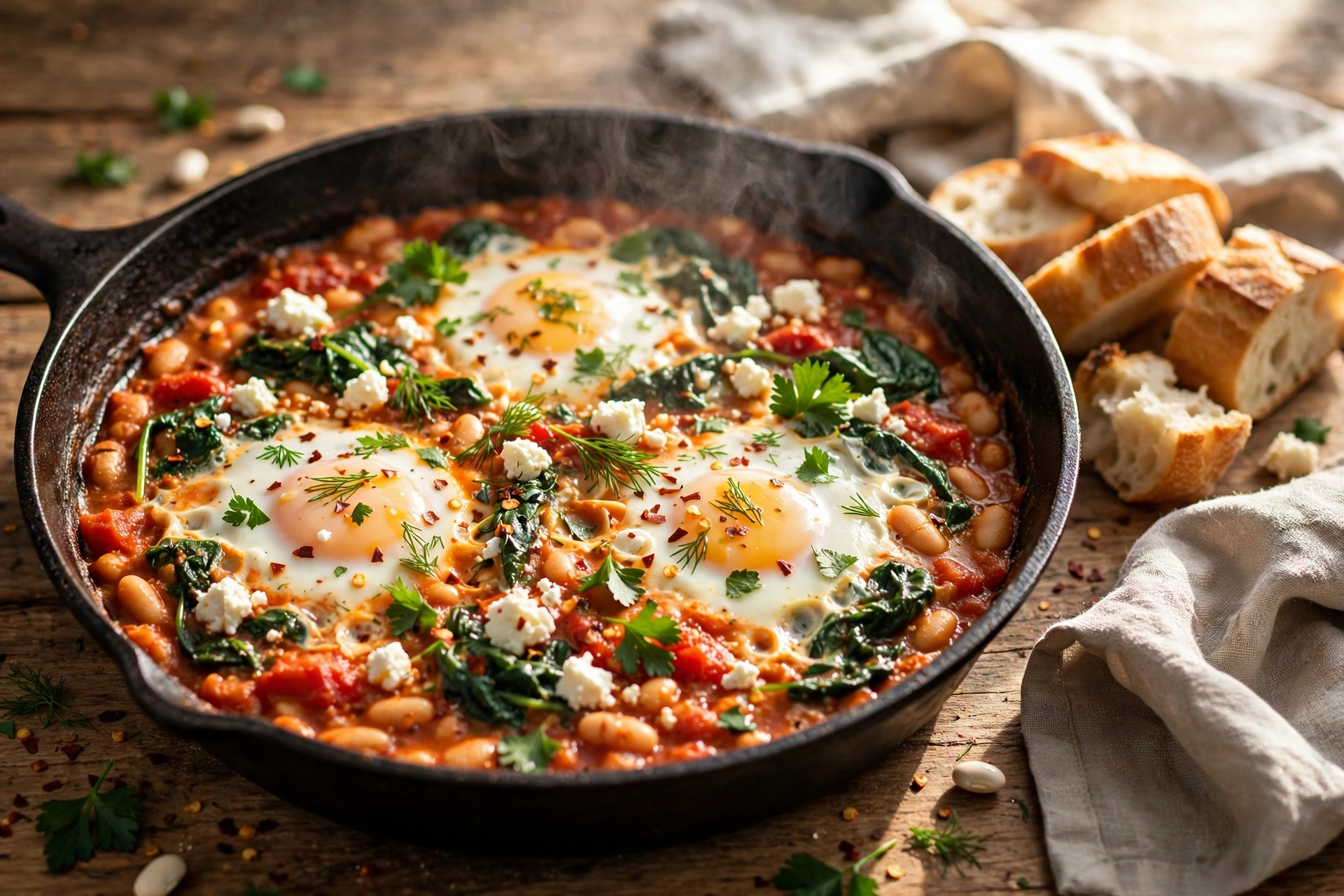
The fix: treat spinach as one iron source among several, and always pair it with vitamin C. My White Bean Shakshuka does exactly this — greens plus a tomato-pepper sauce, 7.8 mg of iron per serving.
The vitamin C counter-move
Here is the encouraging flip side: vitamin C does not just help absorption — it actively counteracts several blockers on this list. Phytates and polyphenols lose much of their grip when vitamin C shares the meal. So the single highest-leverage habit is not avoiding blockers perfectly; it is making sure vitamin C shows up. A tomato-heavy lentil curry forgives a lot.
Think of it as offense over defense. You will never time everything perfectly, but a pepper, some tomatoes or a squeeze of citrus at every iron-rich meal covers most sins. My iron + vitamin C pairings guide is the offensive playbook.
What about iron supplements and timing?
If a doctor has prescribed iron supplements, blockers matter even more — supplements are concentrated iron with nothing to protect them. Take them on an empty stomach if you tolerate it, or with vitamin C (many clinicians suggest orange juice), and keep them two hours away from tea, coffee, calcium supplements and antacids.
Do not start iron supplements because a blog post worried you. Excess iron is harmful, and fatigue has a hundred causes. Test first, supplement on medical advice, eat well regardless.
The 80/20 of iron absorption
If this article felt like a list of rules, here is the simplification. Eighty percent of the benefit comes from two habits: put vitamin C on the same plate as iron-rich food, and drink your tea and coffee between meals. Everything else — soaking, spacing calcium, varying sources — is the final twenty percent.
Start with the two. Add the rest when they feel easy. Absorption is a pattern across weeks, not a test you pass or fail at a single meal.
Your absorption-friendly day, in one line
Iron-rich mains, vitamin C on the same plate, tea and coffee between meals instead of with them. That is the whole system — and a full day of iron-rich eating shows it in action with real numbers.
Recipes in this article
40 min320 kcal4 servings
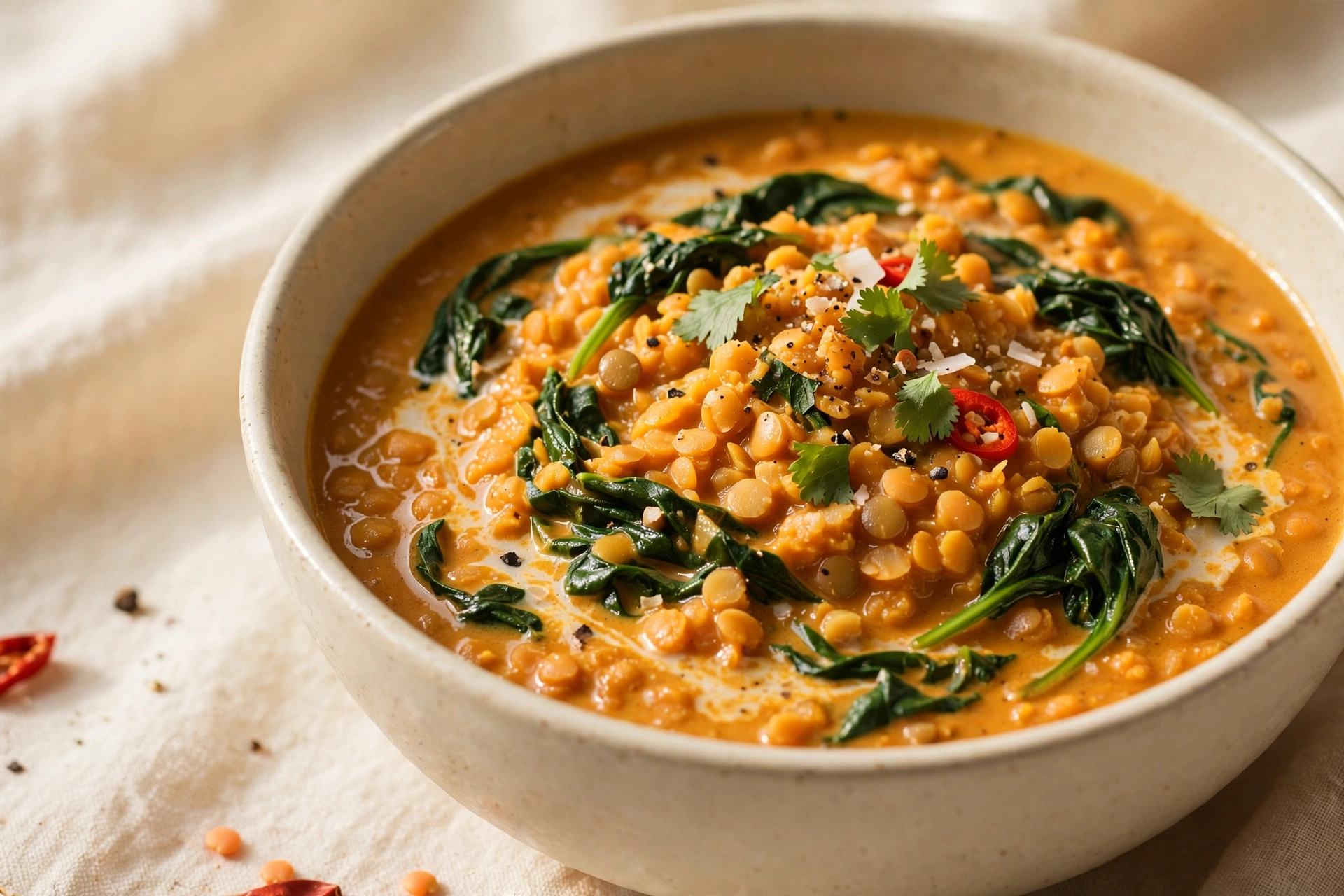
Lentil Curry Stew
One-pot red lentil and coconut curry with spinach. 5.5mg iron, 13g fiber and 280mcg folate per serving. Budget-friendly and freezer-friendly.
 60 min
430 kcal6 servings
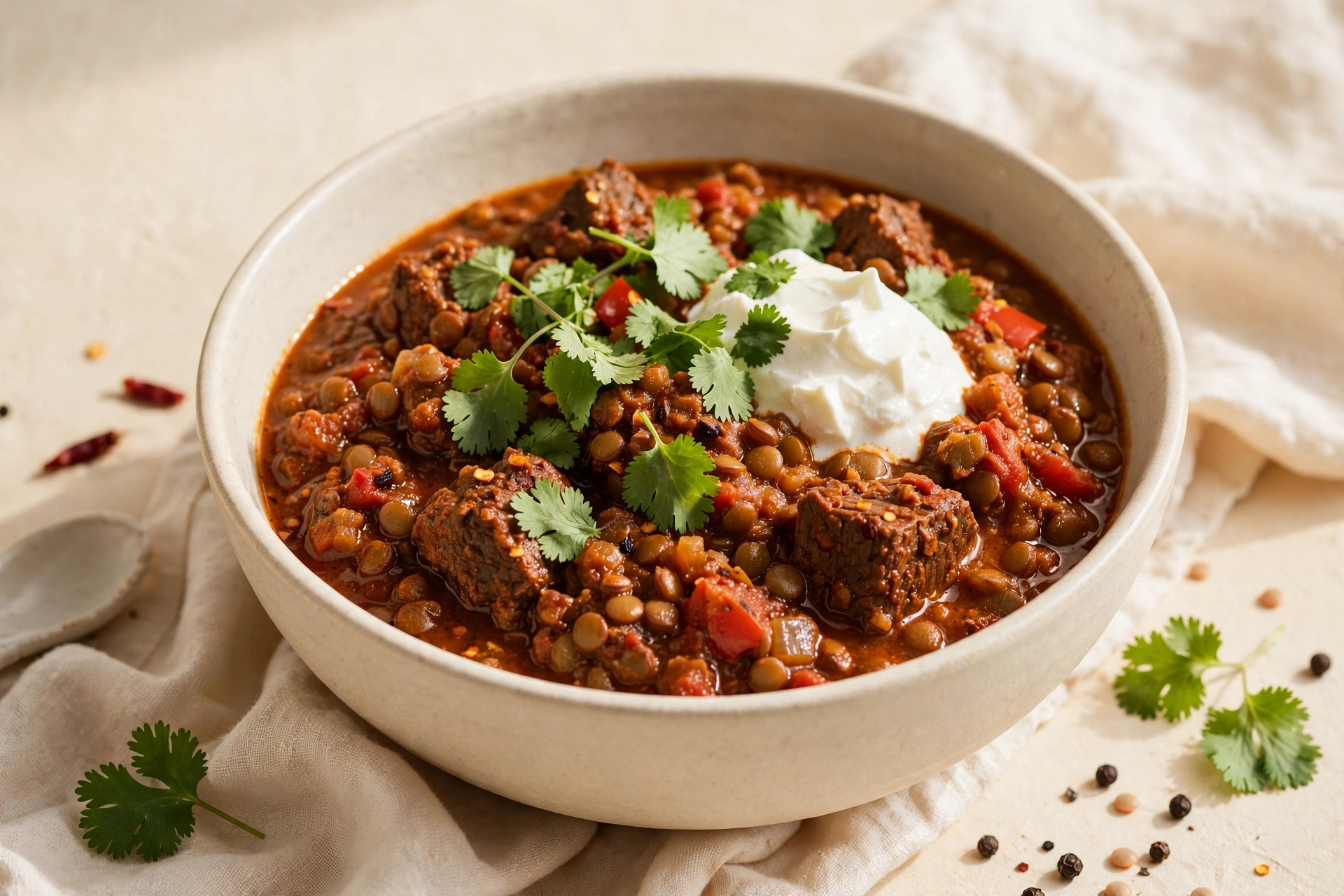
Beef & Lentil Chili
Beef and red lentils simmered with smoky spices, finished with cool Greek yogurt and cilantro. 32g protein, 5.5mg iron and 11g fiber per bowl. One pot, zero fuss.
 35 min
260 kcal4 servings
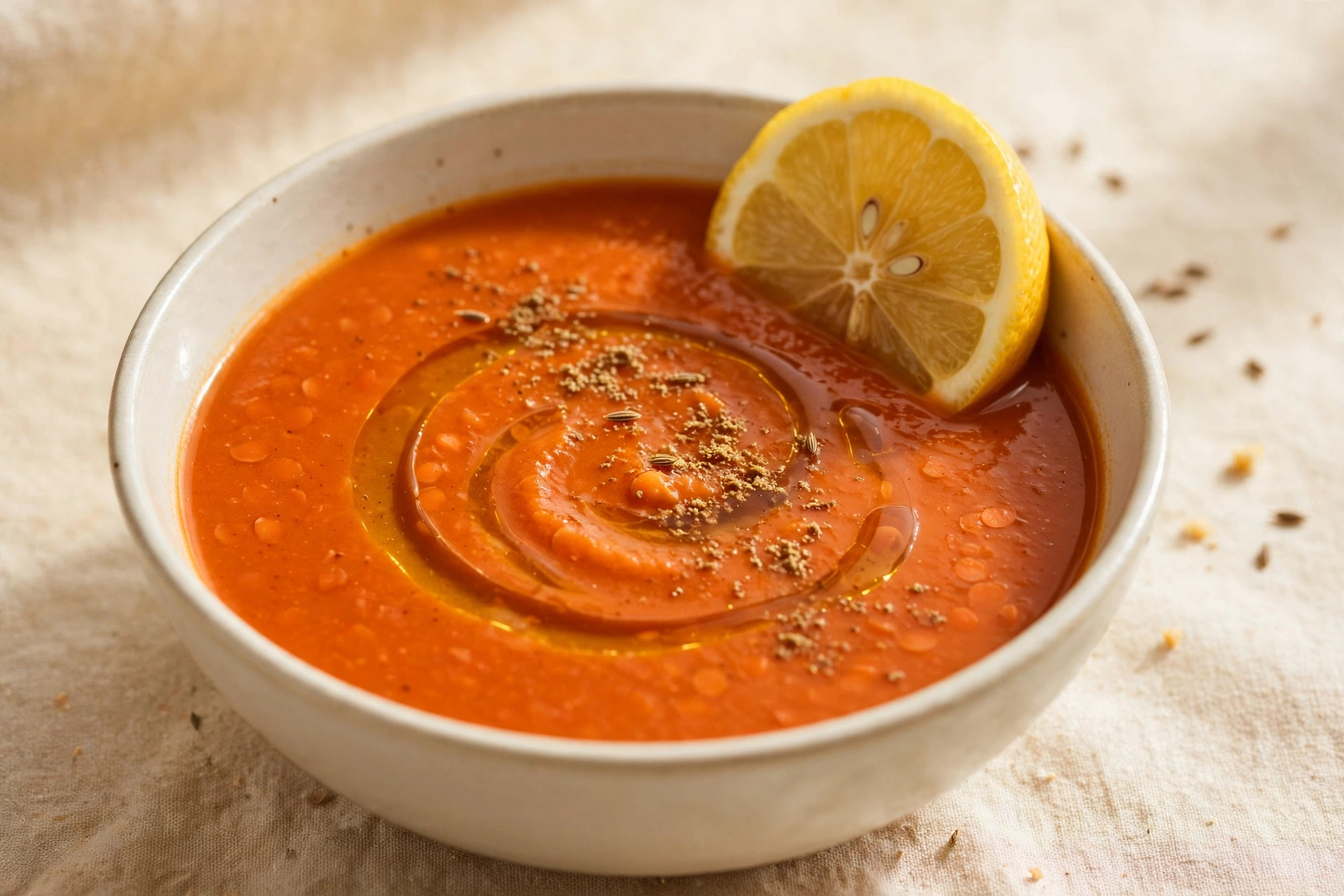
Red Lentil Soup with Lemon
Silky red lentil soup brightened with lemon and cumin. 4.5mg iron, 12g fiber and 270mcg folate per bowl. One pot, 35 minutes, freezer-friendly.
 40 min
490 kcal4 servings
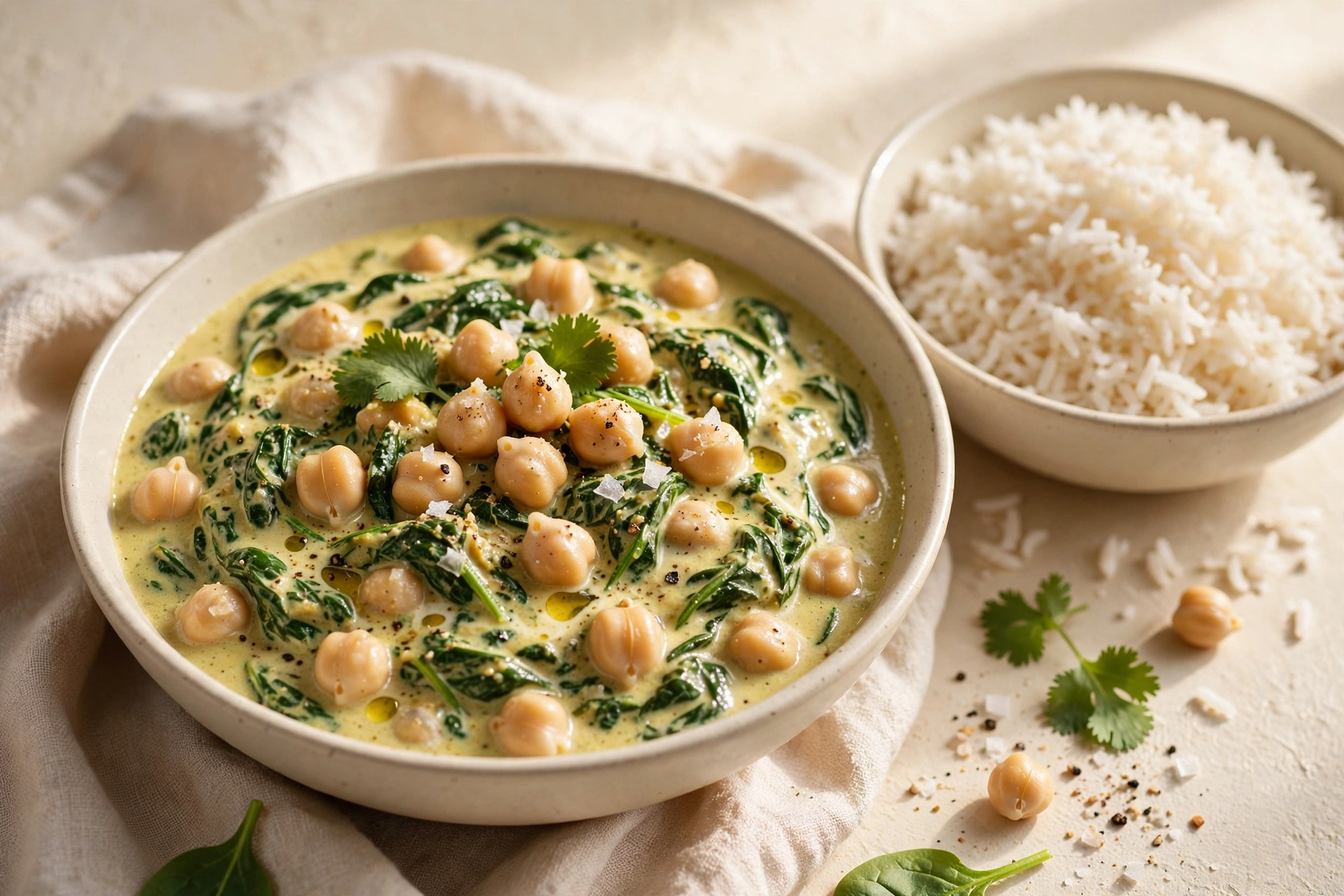
Chickpea & Spinach Curry
Chickpeas and wilted spinach in a tomato-coconut curry over fluffy rice. 4.8mg iron, 220mcg folate and 12g fiber. A pantry curry that punches way above its cost.
Frequently asked questions
Does decaf coffee still block iron?
How long should I wait between eating and drinking tea?
Do I have to give up dairy to absorb iron?
What about red wine with dinner?
Does any of this matter for iron from meat?
Keep reading
 Iron
IronSeptember 17, 2026 · 4 min read
7 Iron + Vitamin C Food Pairings That Boost Absorption (With Recipes)
Vitamin C can double or triple iron absorption from plant foods. 7 iron + vitamin C pairings with real per-serving numbers — and a recipe for each.
Read article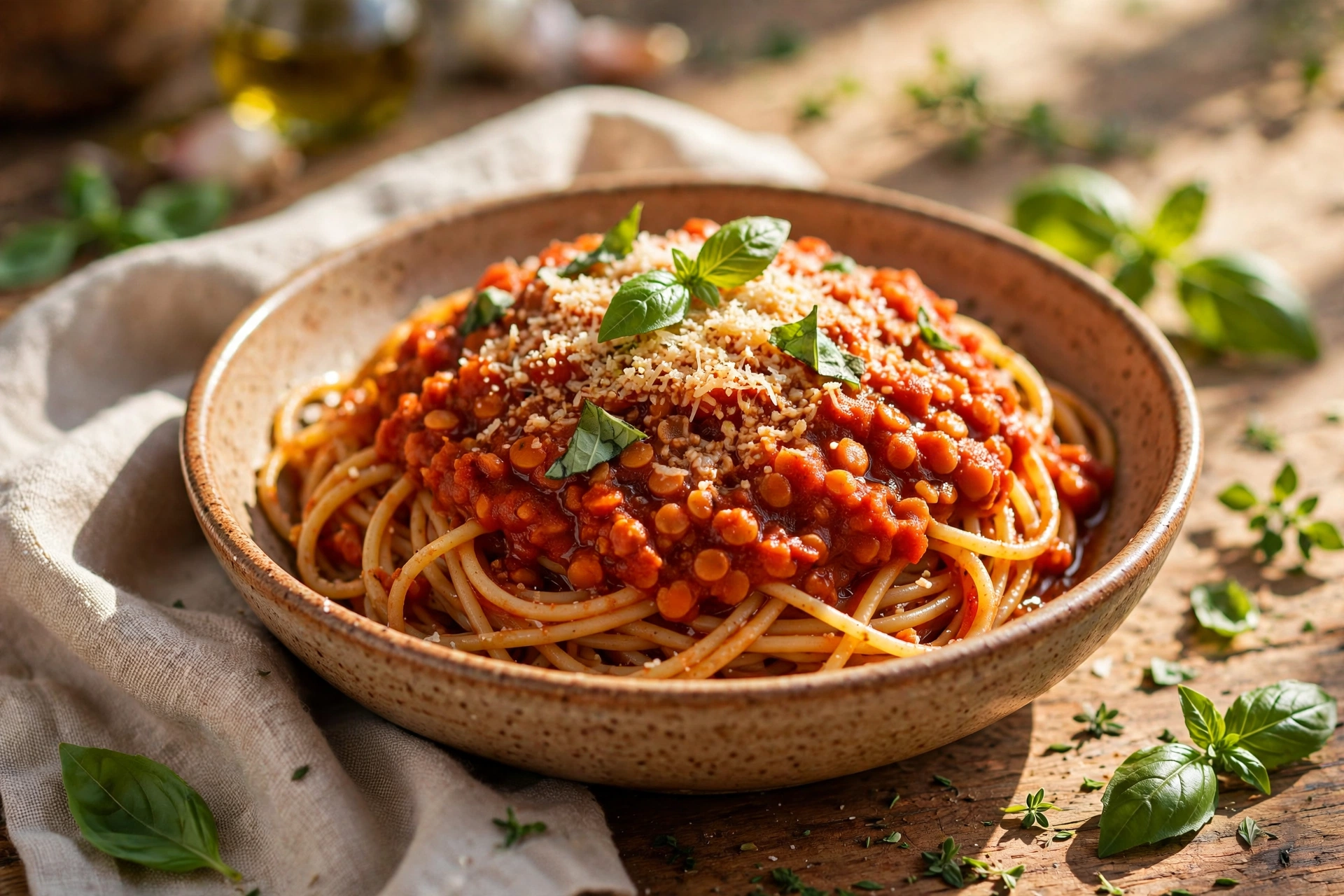 Iron
IronSeptember 17, 2026 · 3 min read
What to Eat in a Day for Iron: A Simple ~22mg Meal Plan With Recipes
A full day of real meals delivering about 22mg of iron — breakfast, lunch, snack and dinner with per-serving numbers from our recipes.
Read article Zinc
ZincSeptember 17, 2026 · 4 min read
Where Vegetarians Actually Get Zinc: Foods, Tips & 5 Recipes
Zinc is the quiet nutrient vegetarians miss. The best plant sources, 3 absorption tricks, and 5 zinc-rich vegetarian recipes with real per-serving numbers.
Read article