Nutrition guide
What to Eat for Iron Deficiency
Published September 17, 2026 · Updated September 17, 2026
The fastest dietary way to raise iron intake is to eat iron-rich foods daily (lentils, beans, spinach, beef and fortified cereals) and pair plant iron with vitamin C (citrus, peppers, tomatoes), which can triple absorption. Avoid tea and coffee with iron-rich meals; their tannins block uptake. But food alone often can't correct a true deficiency: if blood tests show you're deficient, you need a doctor's treatment plan, and diet plays the supporting role.
How much iron do you actually need?
Adult men and postmenopausal women need about 8 mg of iron per day; premenopausal women need 18 mg because of menstrual losses, and pregnant women need 27 mg. Athletes (especially endurance runners) and frequent blood donors also run higher needs.
The catch: you only absorb 10-15% of the iron you eat (less from plants, more from meat). So hitting the number on paper isn't the same as absorbing it, which is why absorption strategy matters as much as food choice.
Adult men
- Daily iron need
- 8 mg
Premenopausal women
- Daily iron need
- 18 mg
Pregnant women
- Daily iron need
- 27 mg
Breastfeeding women
- Daily iron need
- 9 mg
Teenagers (14-18)
- Daily iron need
- 11-15 mg
| Group | Daily iron need |
|---|---|
| Adult men | 8 mg |
| Premenopausal women | 18 mg |
| Pregnant women | 27 mg |
| Breastfeeding women | 9 mg |
| Teenagers (14-18) | 11-15 mg |
What are the best food sources of iron?
Iron comes in two forms. Heme iron (meat, fish, poultry) is absorbed at 15-35% regardless of what else you eat. Non-heme iron (plants, eggs, dairy) is absorbed at 2-20% depending on the meal, which sounds bad until you realize lentils have so much iron per serving that they compete anyway.
The practical move: eat from both columns every week, and always pair plant iron with vitamin C.
Lentils, cooked
- Serving
- 1 cup
- Iron
- 6.6 mg
- Type
- Non-heme
White beans, cooked
- Serving
- 1 cup
- Iron
- 6.6 mg
- Type
- Non-heme
Spinach, cooked
- Serving
- 1 cup
- Iron
- 6.4 mg
- Type
- Non-heme
Beef, lean
- Serving
- 3 oz
- Iron
- 2.7 mg
- Type
- Heme
Chickpeas, cooked
- Serving
- 1 cup
- Iron
- 4.7 mg
- Type
- Non-heme
Pumpkin seeds
- Serving
- 1 oz
- Iron
- 2.5 mg
- Type
- Non-heme
Quinoa, cooked
- Serving
- 1 cup
- Iron
- 2.8 mg
- Type
- Non-heme
Tuna, canned
- Serving
- 3 oz
- Iron
- 1.3 mg
- Type
- Heme
Dark chocolate (70%+)
- Serving
- 1 oz
- Iron
- 3.3 mg
- Type
- Non-heme
Fortified oatmeal
- Serving
- 1 packet
- Iron
- 11 mg
- Type
- Non-heme
| Food | Serving | Iron | Type |
|---|---|---|---|
| Lentils, cooked | 1 cup | 6.6 mg | Non-heme |
| White beans, cooked | 1 cup | 6.6 mg | Non-heme |
| Spinach, cooked | 1 cup | 6.4 mg | Non-heme |
| Beef, lean | 3 oz | 2.7 mg | Heme |
| Chickpeas, cooked | 1 cup | 4.7 mg | Non-heme |
| Pumpkin seeds | 1 oz | 2.5 mg | Non-heme |
| Quinoa, cooked | 1 cup | 2.8 mg | Non-heme |
| Tuna, canned | 3 oz | 1.3 mg | Heme |
| Dark chocolate (70%+) | 1 oz | 3.3 mg | Non-heme |
| Fortified oatmeal | 1 packet | 11 mg | Non-heme |
What helps your body absorb more iron?
Vitamin C is the single biggest lever: 50-75 mg (a small orange or half a bell pepper) with a plant-iron meal can double or triple non-heme absorption. Meat, fish and poultry also boost plant-iron absorption when eaten together. The 'meat factor' is real.
Cooking in cast iron adds small amounts of iron to acidic foods like tomato sauce. And simply eating iron-rich foods consistently, every day, beats occasional heroic efforts.
- Pair lentils/beans/spinach with citrus, peppers, tomatoes or strawberries
- Add a small portion of meat, fish or poultry to plant-based meals when possible
- Cook tomato sauces and stews in cast iron
- Eat iron-rich foods daily. Absorption improves with routine, not megadoses
What blocks iron absorption?
Tea and coffee are the biggest everyday blockers: their tannins and polyphenols can cut non-heme iron absorption by more than half when drunk with meals. Calcium (milk, supplements, antacids) competes with iron too, as do the phytates in unsoaked whole grains and legumes.
You don't need to give up coffee. Just separate it from iron-rich meals by an hour or two, and don't take calcium supplements at the same time as iron.
- Tea and coffee with meals (wait 1-2 hours)
- Calcium supplements or large dairy servings alongside iron-rich meals
- Antacids taken with meals
- Very high-dose zinc supplements (they compete with iron)
What does a high-iron day of eating look like?
Here's a realistic day built from our recipes, totaling roughly 16-18 mg of iron with absorption-friendly pairings at every meal. Adjust portions to your calorie needs.
Breakfast
- What to eat
- Berry overnight oats with a glass of orange juice
- Iron (approx)
- 3 mg
Lunch
- What to eat
- Tuna & white bean salad with lemon dressing
- Iron (approx)
- 5 mg
Snack
- What to eat
- Pumpkin seeds (1 oz) + a kiwi
- Iron (approx)
- 3 mg
Dinner
- What to eat
- Lentil curry stew with a squeeze of lime
- Iron (approx)
- 5.5 mg
| Meal | What to eat | Iron (approx) |
|---|---|---|
| Breakfast | Berry overnight oats with a glass of orange juice | 3 mg |
| Lunch | Tuna & white bean salad with lemon dressing | 5 mg |
| Snack | Pumpkin seeds (1 oz) + a kiwi | 3 mg |
| Dinner | Lentil curry stew with a squeeze of lime | 5.5 mg |
When is food not enough?
Here's the honest part: diet can prevent deficiency and support recovery, but it usually can't fix an established deficiency alone. If your ferritin is very low, your doctor will likely recommend iron supplements, which deliver in one pill what would take heroic eating to match.
Take iron supplements on an empty stomach with vitamin C for best absorption (if your stomach tolerates it), away from coffee, tea, calcium and antacids. And retest: the only way to know it's working is blood work, not how you feel, though feeling better is a good sign.
Never start high-dose iron on a hunch. Too much iron is toxic, and fatigue has dozens of causes. Get tested, get a plan, and let food do what food does best: keep you topped up once you're back in range.
Recipes mentioned in this guide
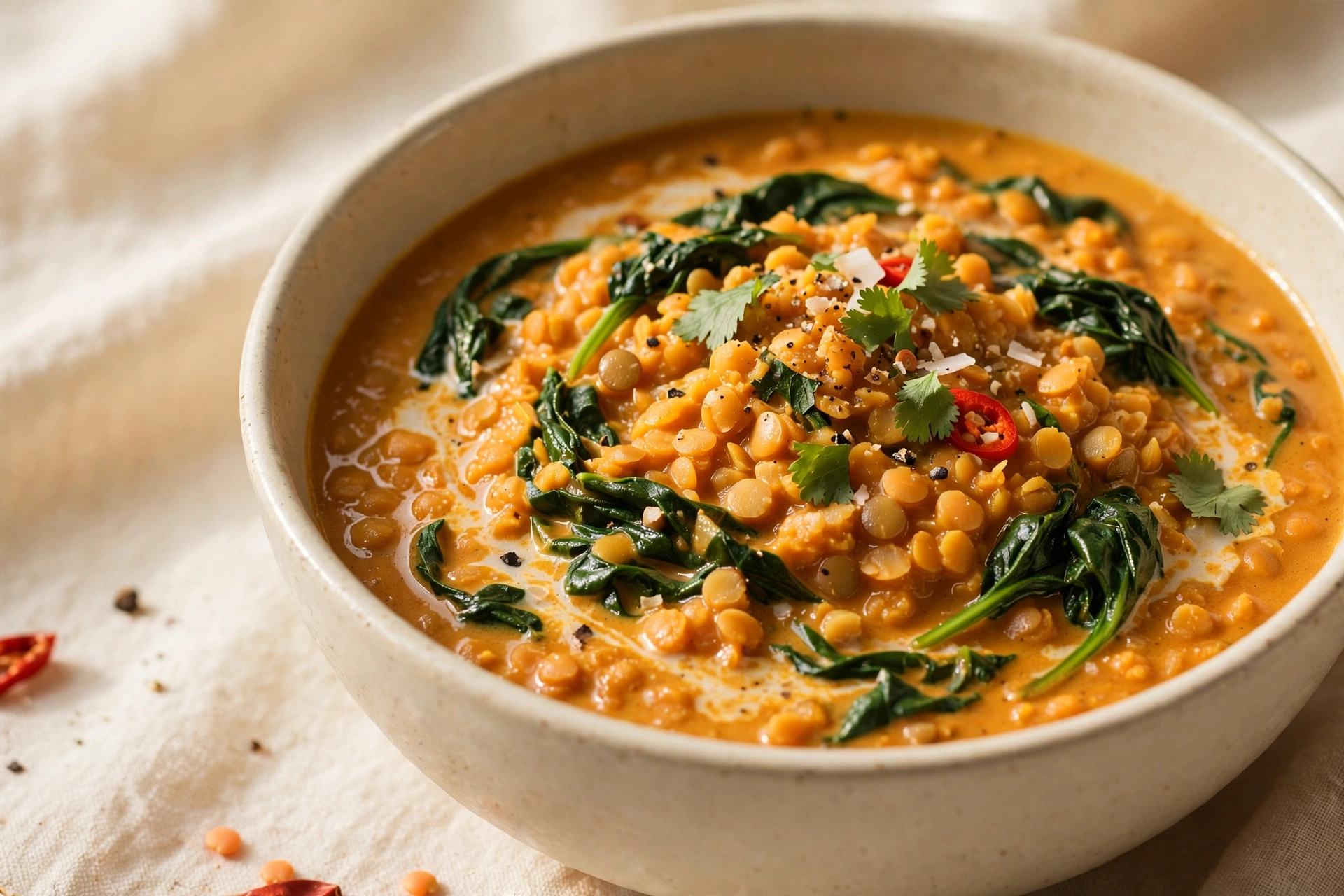 40 min
320 kcal4 servings
Lentil Curry Stew
One-pot red lentil and coconut curry with spinach. 5.5mg iron, 13g fiber and 280mcg folate per serving. Budget-friendly and freezer-friendly.
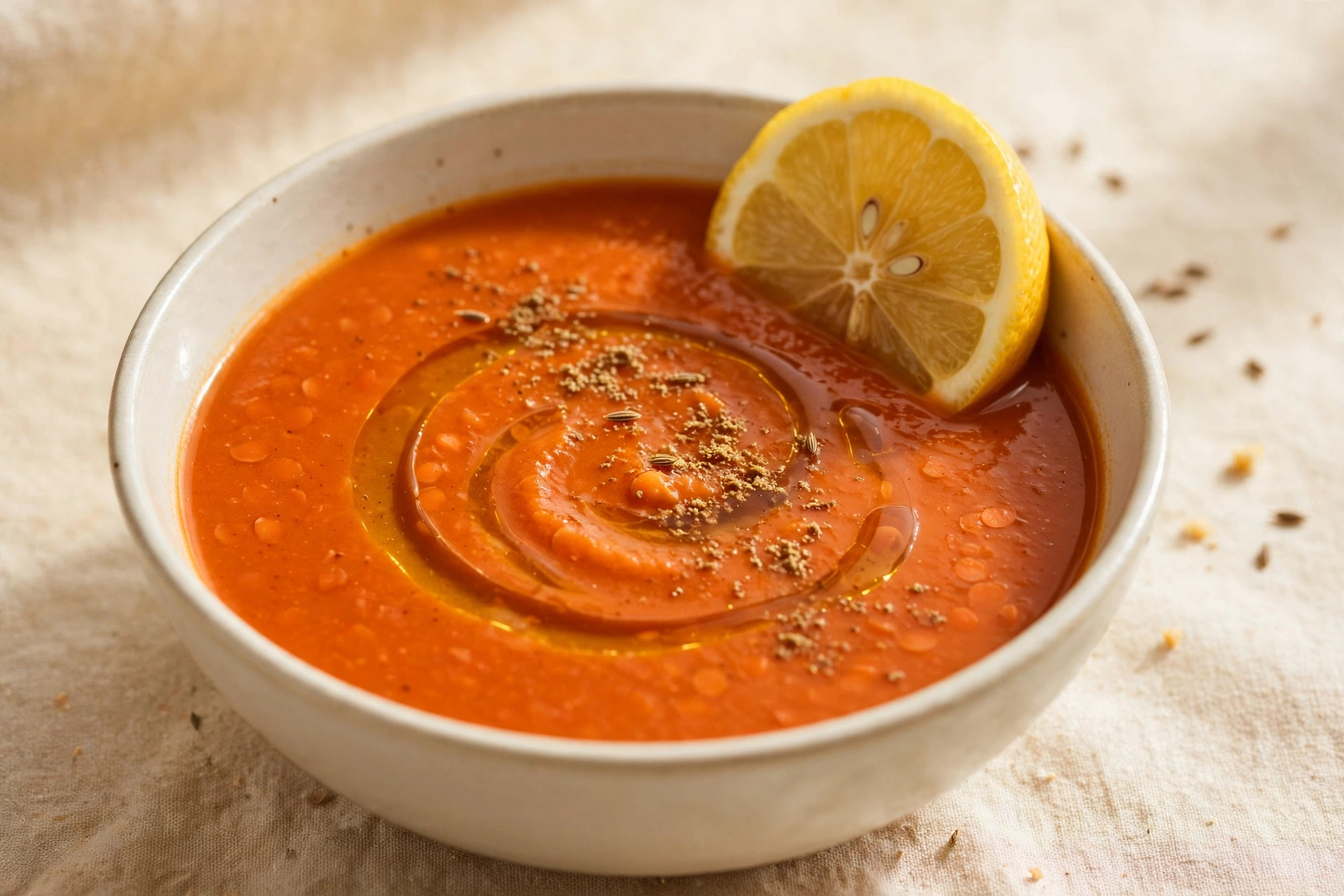 35 min
260 kcal4 servings
Red Lentil Soup with Lemon
Silky red lentil soup brightened with lemon and cumin. 4.5mg iron, 12g fiber and 270mcg folate per bowl. One pot, 35 minutes, freezer-friendly.
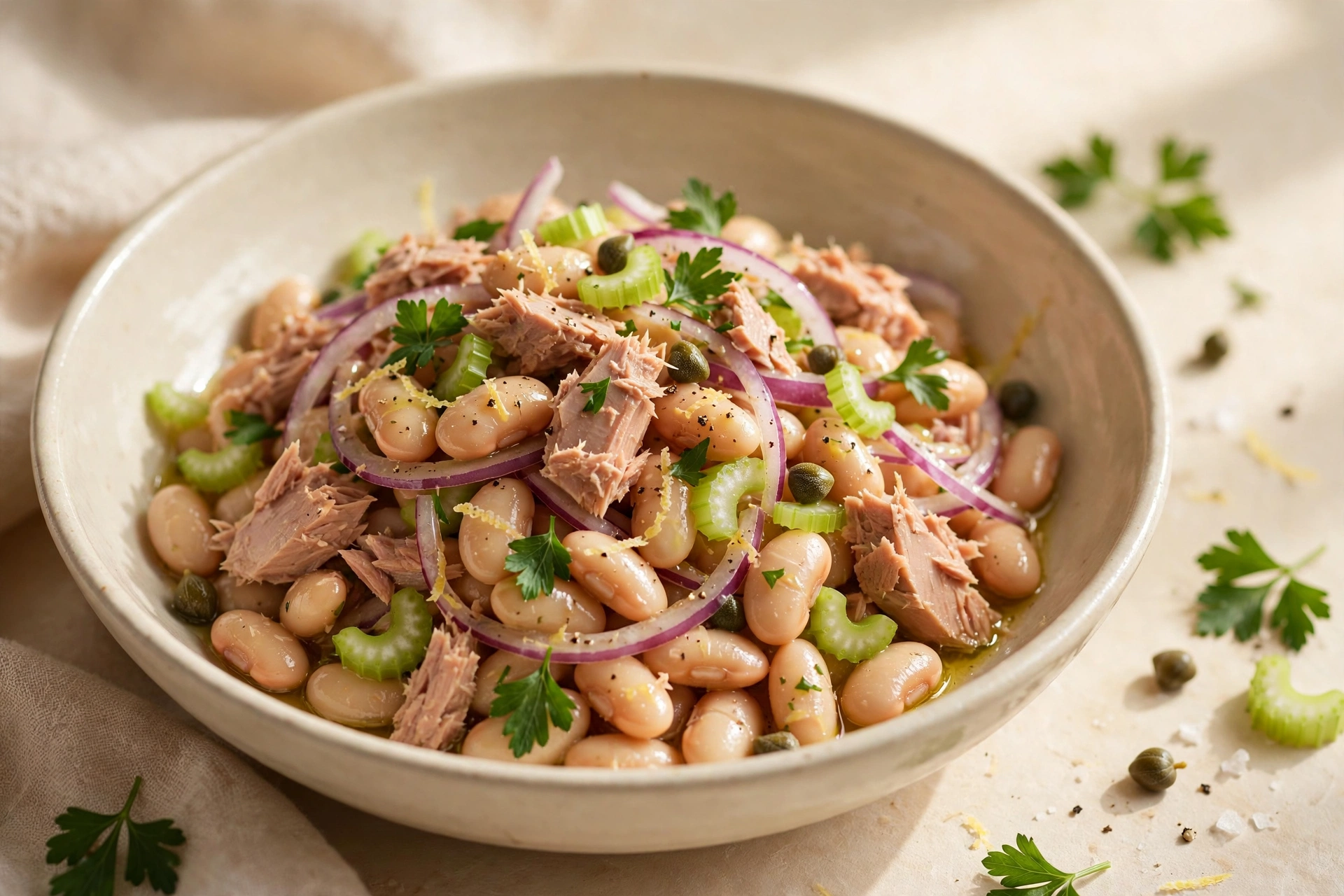 15 min
355 kcal2 servings
Tuna & White Bean Salad
Protein-packed tuna and creamy cannellini beans with lemon-caper dressing. 32g protein, 4.7mg iron and a full day's B12. No cooking at all.
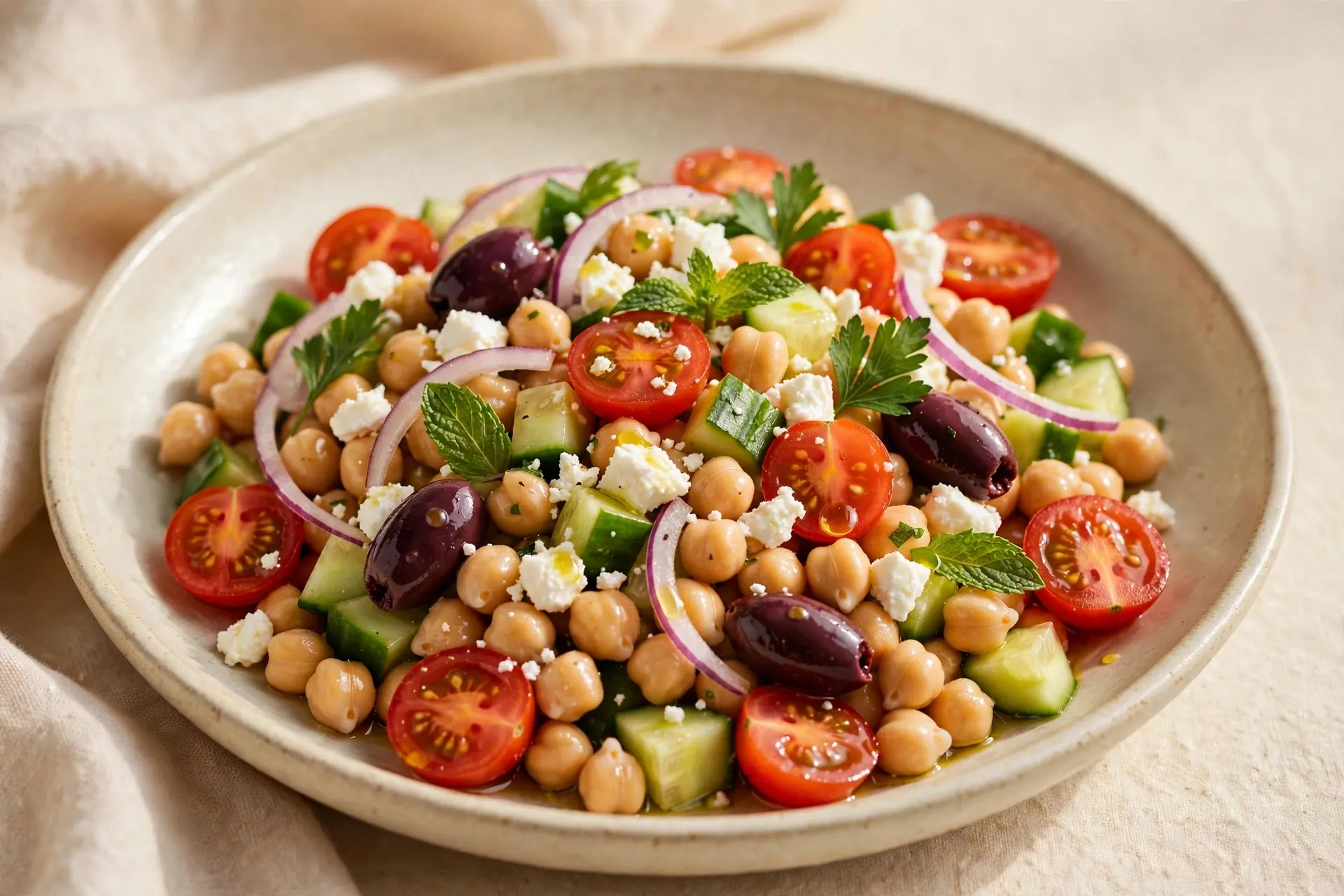 20 min
520 kcal2 servings
Mediterranean Chickpea Bowl
Chickpeas, quinoa, cucumber, tomato and feta with lemon-olive oil dressing. 12g fiber, 5mg iron and 210mcg folate per bowl. No cooking required.