5 High-Protein Breakfasts That Actually Hit 30 Grams (No Powder)
September 17, 2026 · 3 min read
Thirty grams of protein at breakfast is the difference between coasting to lunch and raiding the pantry at 10:30. But most breakfasts labeled high-protein quietly land at 12–15 grams. We ran the numbers on our recipes — here is what actually hits 30, what gets there with a single tweak, and the formula to build your own.
Why 30 grams?
Protein at breakfast blunts the mid-morning crash and keeps you fuller for longer — the satiety research is consistent on this. Thirty grams is a practical target, not a prescription: active people and larger bodies may want more, smaller or less active people less. The point is to stop at 12 grams and call it high-protein.
And no protein powder appears in this article. Whole foods can do it.
The one that hits 30 as-is: Sardine & Avocado Toast
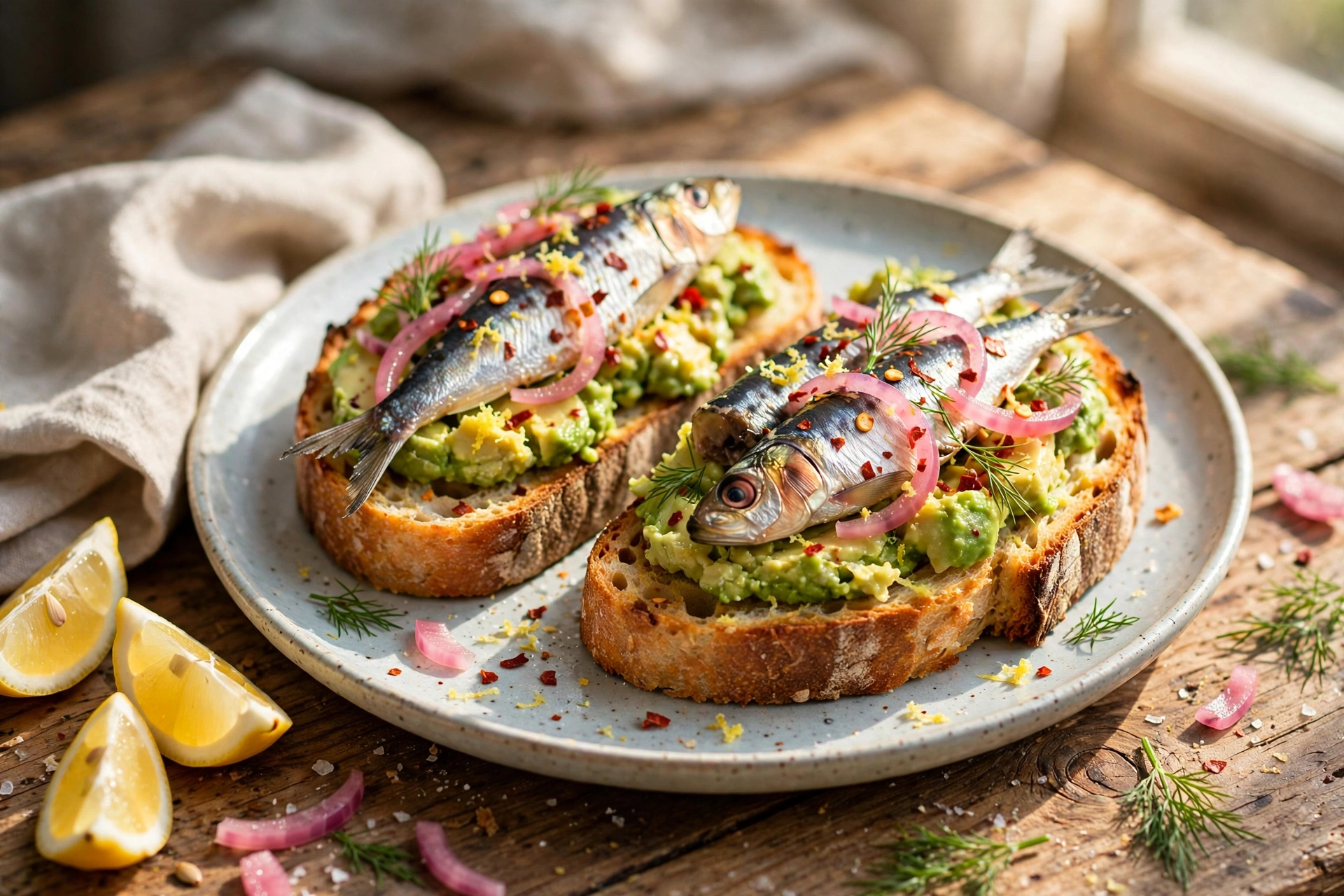
Sardine & Avocado Toast lands at exactly 30 g of protein per serving — plus omega-3s and 4.5 mg of iron. Sardines for breakfast sound intense until you try them Mediterranean-style: lemon, herbs, good bread. It's an easy win for skeptics.
One tweak away
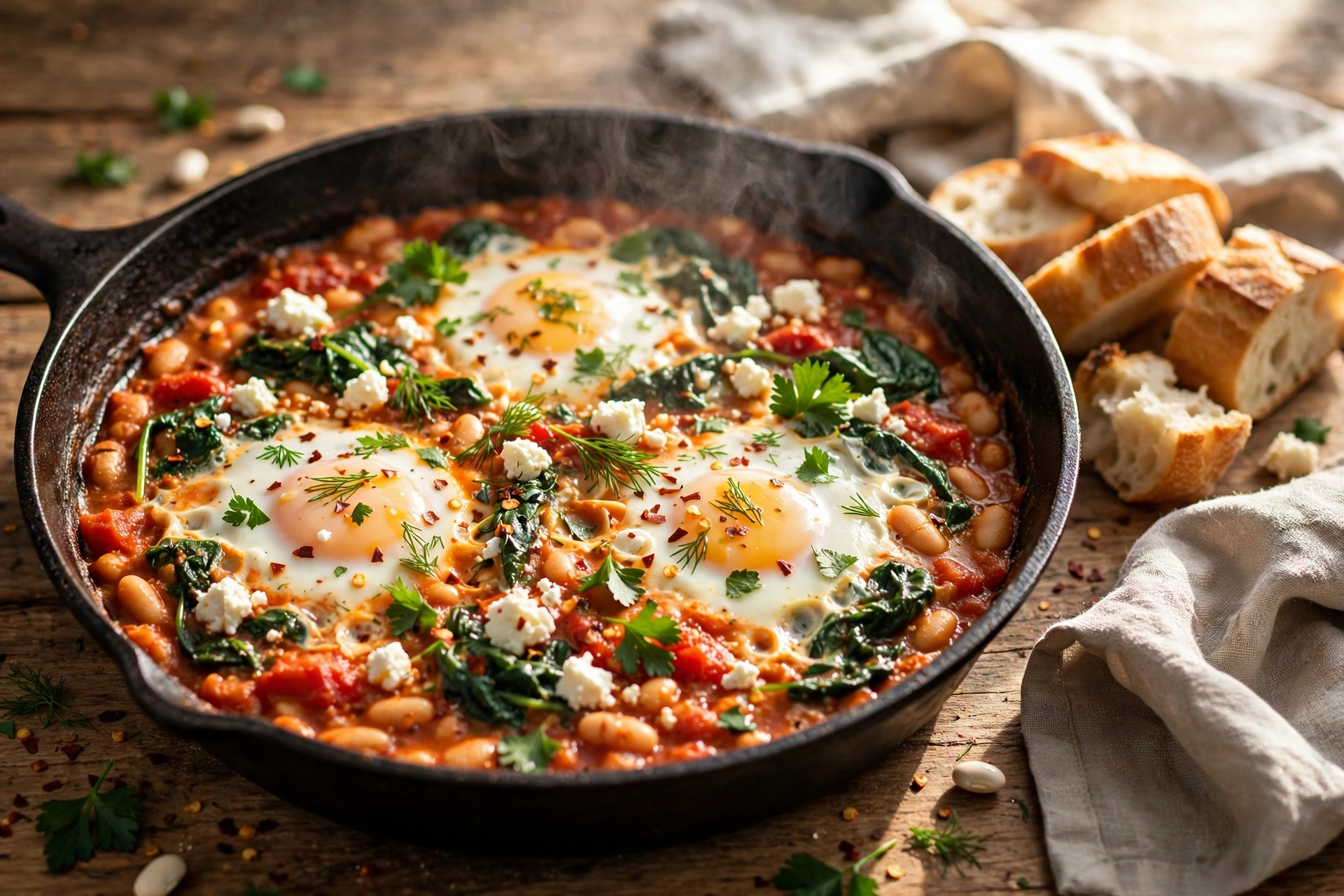
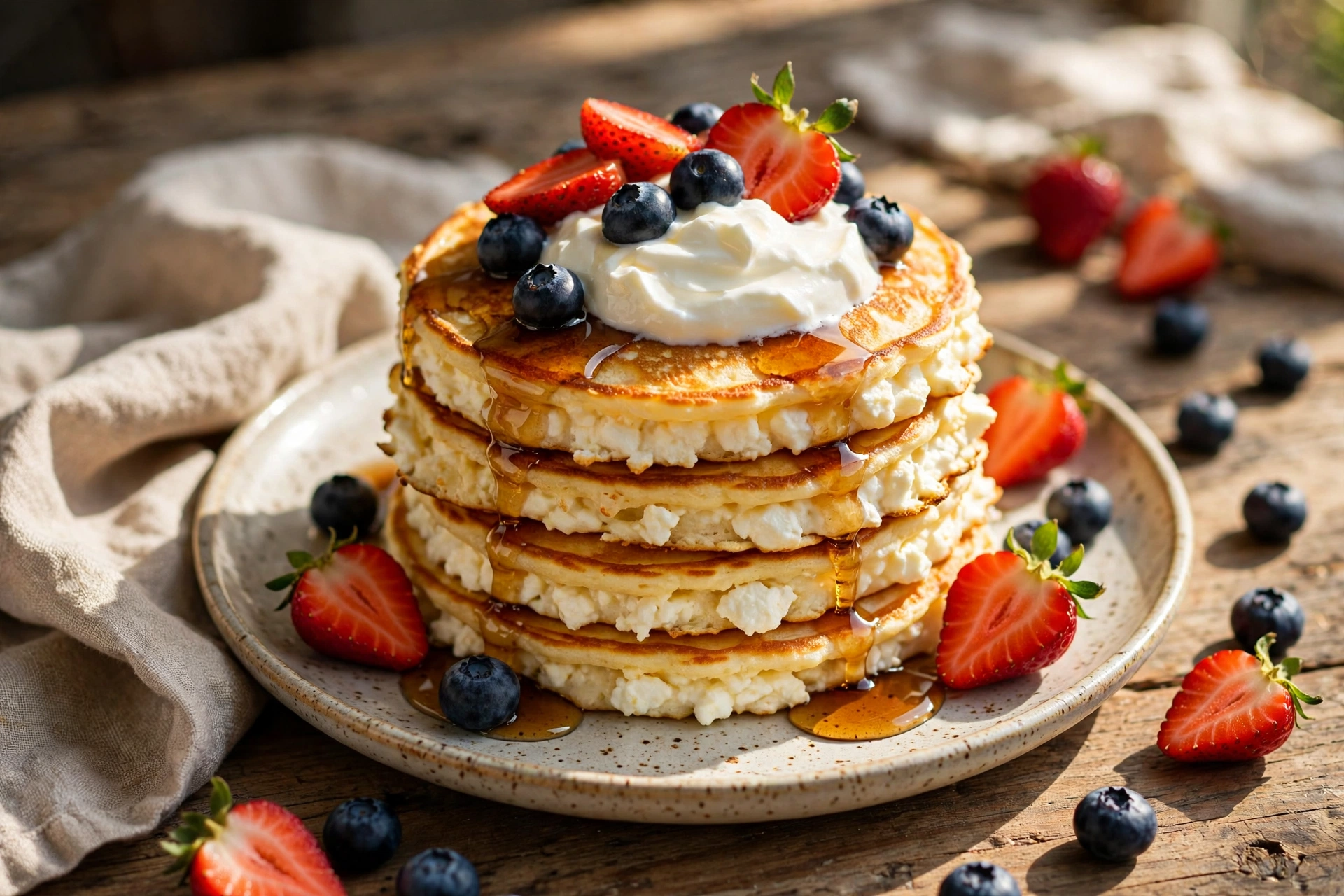
White Bean Shakshuka already brings 28 g of protein — crack in one more egg and you are at roughly 33 g, since a single egg adds about 6 g. Cottage Cheese Protein Pancakes sit at 27 g; a dollop of Greek yogurt on top pushes them past 30 without changing the recipe at all.
The pattern: start from a 25 g-plus base, add one dense protein booster — an egg, yogurt, or a handful of seeds — and the math closes itself.
The 20g-plus base camp
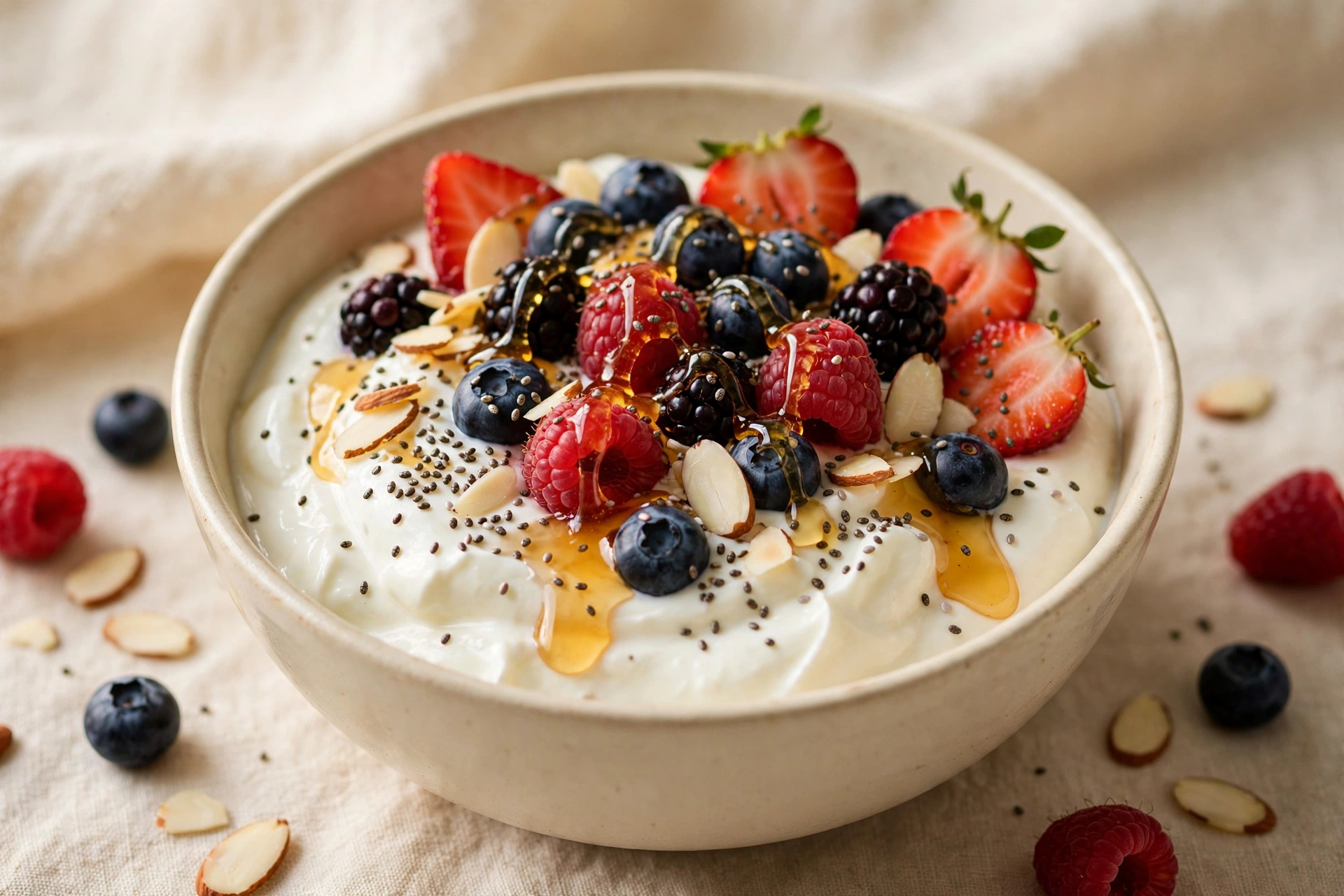
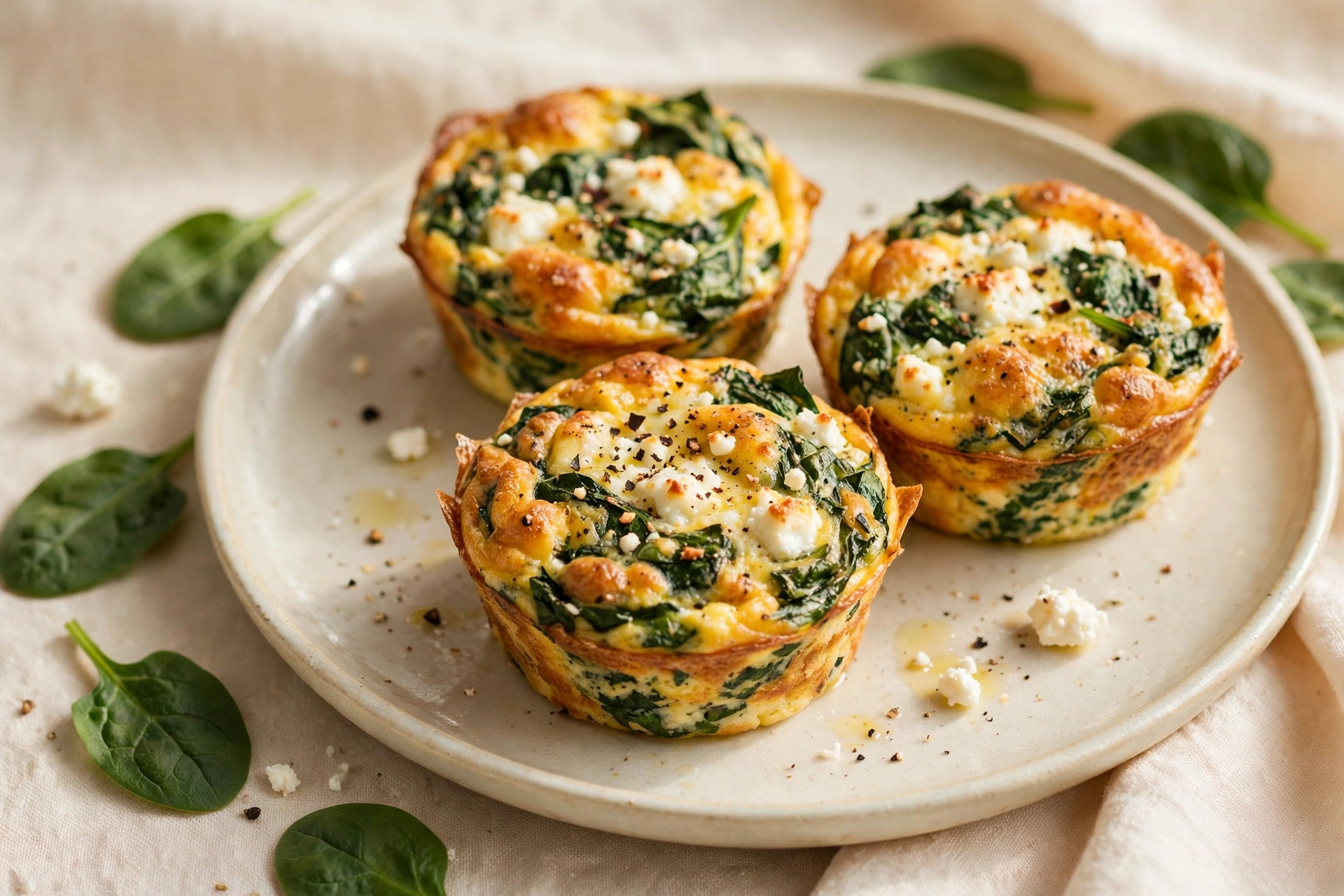
Greek Yogurt Breakfast Bowl (24 g) with a seed-and-nut topping, or Spinach & Feta Egg Muffin Cups (22 g) doubled up for meal prep — both cross 30 with the formula below, and both take under 20 minutes. These are the everyday answers for people who will not eat sardines before 9am.
The 30g breakfast formula
Run any breakfast through this and 30 stops being a project:
- Pick a protein anchor: eggs, Greek yogurt, cottage cheese or tinned fish — each brings 15–30 g per serving on its own.
- Add a booster: an extra egg (about 6 g), 100 g of Greek yogurt (about 10 g), or 30 g of pumpkin seeds (about 9 g).
- Build the rest of the plate for joy: vegetables, whole grains, fruit. The protein is handled.
What 30 grams looks like on a plate
Numbers are abstract; plates are not. Thirty grams of protein is roughly four eggs; or a generous bowl of Greek yogurt; or a tin of sardines plus an egg; or two of our cottage cheese pancakes with yogurt on top. When you can eyeball it, you stop counting.
An easy rotation: sardine toast on weekdays (fast, no cooking), shakshuka on weekends (worth the pan), pancakes when you have guests. Three recipes, zero boredom.
The meal-prep version
Spinach & Feta Egg Muffin Cups were designed for exactly this: bake a batch on Sunday and each serving brings 22 g of protein. Two muffin cups plus a small yogurt crosses 30 grams in 90 seconds of microwaving.
The cottage cheese pancake batter also holds overnight in the fridge — morning-you just pours and flips. The people who hit 30 grams consistently are not more disciplined; they just removed the morning decisions.
The coffee-shop test
Here is a simple reality check for any high-protein breakfast advice: could you order something close at an ordinary café? A Greek yogurt parfait with granola, a three-egg omelet, smoked salmon on toast — all clear 25–30 grams without a second thought. The 30-gram target is not a lab protocol; it is roughly what a generous diner breakfast already is.
Use that when you travel or eat out. Anchor plus booster works on menus too: an omelet (anchor) plus a side of yogurt (booster), and you are done before the coffee arrives.
A note on appetites
Thirty grams is a lot of food if you are a small-breakfast person. Work up to it — even moving from 12 to 22 grams changes your morning completely. The best high-protein breakfast is the one you will actually eat.
Recipes in this article
10 min473 kcal2 servings
Sardine & Avocado Toast
The 10-minute lunch that outperforms most dinners: 30g protein, 392mg calcium and 1.2g omega-3s on two slices of toast. Trust us on the sardines.
 30 min
464 kcal4 servings
White Bean Shakshuka
Eggs poached in a smoky white-bean tomato sauce with wilted spinach and salty feta. 28g protein and 7.8mg iron per serving — brunch that eats like a hug.
 25 min
379 kcal4 servings
Cottage Cheese Protein Pancakes
Fluffy, golden pancakes with 27g of protein per serving and no protein powder in sight. The cottage cheese melts right in — nobody will ever guess.
 5 min
5 min410 kcal1 servings
Greek Yogurt Breakfast Bowl
Thick Greek yogurt with berries, chia, almonds and honey. 24g protein, 320mg calcium and 0.9mcg B12. A 5-minute breakfast that actually keeps you full.
 35 min
300 kcal3 servings
Spinach & Feta Egg Muffin Cups
Grab-and-go baked egg muffins with spinach and salty feta. 22g protein, 1.6mcg B12 and true grab-and-go convenience. A week's breakfasts in 35 minutes.
Frequently asked questions
Is 30g of protein at breakfast too much?
Do I need protein powder to hit 30g?
What if I do not eat eggs?
Sardines for breakfast — really?
Can kids eat these breakfasts?
Keep reading
IronSeptember 17, 2026 · 4 min read
7 Iron + Vitamin C Food Pairings That Boost Absorption (With Recipes)
Vitamin C can double or triple iron absorption from plant foods. 7 iron + vitamin C pairings with real per-serving numbers — and a recipe for each.
Read article Zinc
ZincSeptember 17, 2026 · 4 min read
Where Vegetarians Actually Get Zinc: Foods, Tips & 5 Recipes
Zinc is the quiet nutrient vegetarians miss. The best plant sources, 3 absorption tricks, and 5 zinc-rich vegetarian recipes with real per-serving numbers.
Read article Iron
IronSeptember 17, 2026 · 4 min read
5 Things That Block Iron Absorption (and the Free Timing Fixes)
Tea with dinner can slash iron absorption. 5 common iron blockers — coffee, calcium, phytates — and simple timing fixes that cost nothing.
Read article